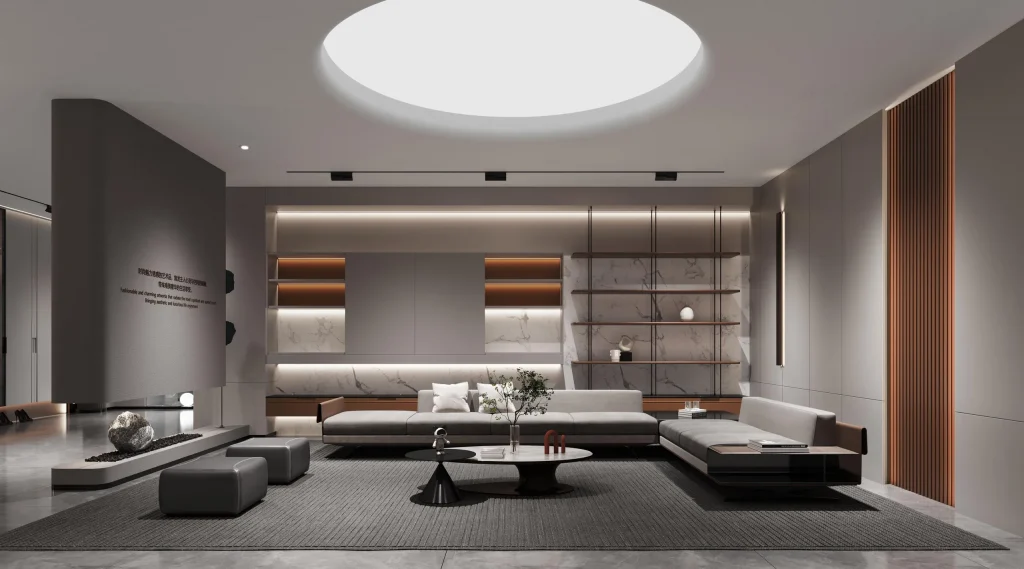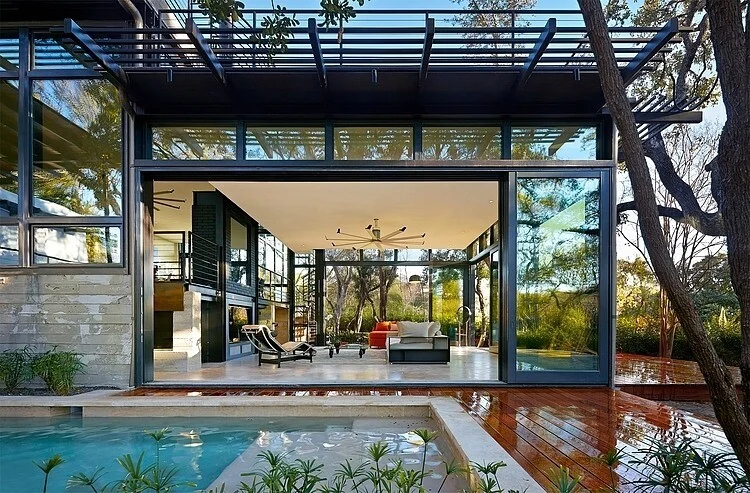
When designing or renovating a modern home, seamless indoor-outdoor living is often top on the wishlist. Connecting your interior living room or kitchen to a garden, patio, or balcony requires selecting the right exterior patio door system. The two most popular architectural choices today are sliding doors vs. bi-fold doors.
While both options flood your home with natural light and offer expansive outdoor views, they differ significantly in visual aesthetics, spatial functionality, thermal performance, and budget requirements. This guide provides an in-depth comparison to help you choose the best door system for your architectural style and lifestyle needs.
Sightlines and Panoramic Views
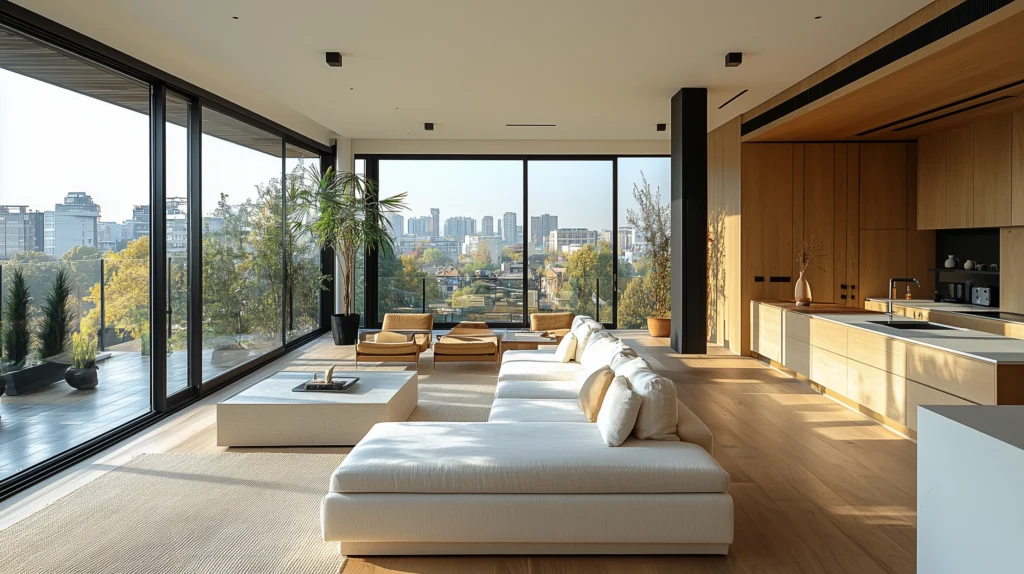
If your primary goal is maximizing natural light and framing uninterrupted outdoor landscapes, frame thickness and glass area are critical factors.
Sliding Doors (The Winner for Views): Modern aluminum sliding doors feature ultra-slim sightlines—sometimes as narrow as 16mm to 20mm. Because sliding doors consist of large panels that slide horizontally on parallel tracks, they require fewer vertical frames. Even when completely closed, sliding doors provide a massive, unobstructed “picture window” effect.
Bi-Fold Doors: Bi-fold doors consist of multiple hinged panels that fold back like an accordion. Because each panel requires a surrounding aluminum frame and hinge mechanism, bi-fold doors create more vertical sightlines when closed, which can slightly break up panoramic views.
Spatial Efficiency and Opening Width

How you intend to use your doorway during warm summer months or outdoor gatherings heavily influences panel configuration.
Bi-Fold Doors (The Winner for 100% Opening): The chief advantage of a bi-fold door system is its ability to fold away almost entirely (up to 90%–95% clear opening). When fully pushed to one or both sides, bi-fold doors completely dissolve the barrier between your indoor living space and outdoor patio, creating an unparalleled venue for entertaining.
Sliding Doors: Standard two- or three-track sliding doors overlap when opened, meaning at least one glass panel remains fixed (offering a 50% to 66% clear opening width). However, pocket sliding doors—where panels slide into a hidden wall cavity—can achieve a 100% opening if your building structure permits.
Weather Resistance and Thermal Insulation
For homes subject to heavy rain, strong coastal winds, or extreme winter cold, structural integrity and weatherproofing are non-negotiable.
Both door types can achieve high thermal performance when equipped with thermal break aluminum profiles and double- or triple-glazed Low-E glass. However, sealing mechanics differ:
Sliding Doors: Engineered with continuous weather-brush seals and multi-point locking systems, heavy-duty lift-and-slide doors compress tightly against the frame when locked, providing exceptional air tightness and water resistance against storm-driven rain.
Bi-Fold Doors: Because bi-folding systems feature multiple moving joints and hinges along the track, they rely heavily on high-grade EPDM rubber gaskets. Professional installation is vital to ensure long-term draft exclusion.
Comparison of Aluminum Sliding Doors VS. Bi-Fold Doors
| Feature / Metric | Aluminum Sliding Doors | Bi-Fold (Folding) Doors |
|---|---|---|
| Sightline / Frame Profile | Ultra-slim (16mm – 45mm) | Standard (50mm – 70mm+) |
| Max Clear Opening | 50% – 66% (100% with pocket door) | Up to 95% (accordion folding) |
| Unobstructed View | Exceptional (large glass panes) | Moderate (multiple vertical frames) |
| Threshold Options | Flush / Low-profile available | Flush / Weathered rebated track |
| Operation & Convenience | Smooth horizontal glide | Multi-panel fold & slide mechanism |
| Ideal Application | Wide openings with scenic views | Indoor-outdoor patio integration |
Cost and Installation Complexity
In terms of initial budget, standard aluminum sliding doors with 2 or 3 large panels are often slightly more cost-effective per square meter than complex bi-fold doors. Bi-fold door hardware includes intricate top-and-bottom roller tracks, multiple hinges, and specialized shoot-bolt locks, which increases manufacturing and fitting complexity.
Which Patio Door System Should You Choose?
Choose Sliding Doors if:
You prioritize uninterrupted, panoramic landscape views year-round.
Your space indoors or on the patio is limited (sliding panels require zero swing space).
You prefer minimalist, modern luxury aesthetics with ultra-thin frames.
Choose Bi-Fold Doors if:
You want to completely open up your wall during parties and sunny weather.
You have a smaller wall aperture where sliding panels would restrict access too much.
You enjoy flexible opening configurations (e.g., using a single “traffic door” for daily garden entry).
Frequently Asked Questions (FAQ)
Q1: Are bi-fold doors more expensive than sliding doors?
A: Generally, yes. Bi-fold doors require more complex tracks, hinges, and sealing mechanisms per linear meter, making manufacturing and skilled installation slightly higher in cost than standard sliding systems.
Q2: Do sliding doors draft or let cold air in during winter?
A: High-quality system aluminum sliding doors featuring thermal break technology and EPDM weather seals offer excellent thermal performance and wind load resistance, exceeding strict building energy efficiency standards.
Q3: Which door type is better for small patios or balconies?
A: Sliding doors are ideal for tight balconies because panels slide parallel inside their track without projecting inward or outward, conserving precious floor space.
Conclusion
Ready to Elevate Your Architectural Project?
Whether you need ultra-slim aluminum sliding doors for scenic panoramic views or versatile bi-fold door systems for seamless indoor-outdoor living, Modern Home delivers precision-engineered, custom window & door solutions tailored to your design specs.