Green kitchen cabinets have moved from a niche design choice to a mainstream favorite. Designers, homeowners, and developers are all embracing green as a fresh alternative to white, gray, or beige kitchens. But “green” is not one single look. The shade you choose, how it’s applied, and how it works with your space can completely change the final result.
This guide is not about chasing trends. It’s about helping you find green kitchen cabinet ideas that truly fit your space, lifestyle, and long-term needs. Whether you’re designing a compact apartment kitchen or a spacious villa, these insights will help you make confident decisions.
Why Green Kitchen Cabinets Are So Popular Today
Green sits at a unique intersection of color psychology and interior design practicality. It brings calm without feeling cold, and character without overpowering the space. In kitchens, where people spend long hours cooking, gathering, and socializing, green creates a sense of balance that many neutral colors can’t achieve.
Another reason green kitchen cabinets are trending is versatility. Green works equally well in modern, minimalist kitchens and in warm, traditional spaces. With the right tone, it can feel bold or understated, luxurious or casual. That flexibility makes green an ideal choice for homeowners who want something distinctive but still timeless.
Choosing the Right Green: Shade Makes All the Difference
Not all green kitchen cabinets create the same mood. Before thinking about layout or materials, the most important decision is the shade of green.
Matching Green Kitchen Cabinets with Your Design Style
Green kitchen cabinets adapt beautifully to different interior styles, but the key is using the color in a way that supports the overall design language.
Modern and Minimalist Green Kitchens
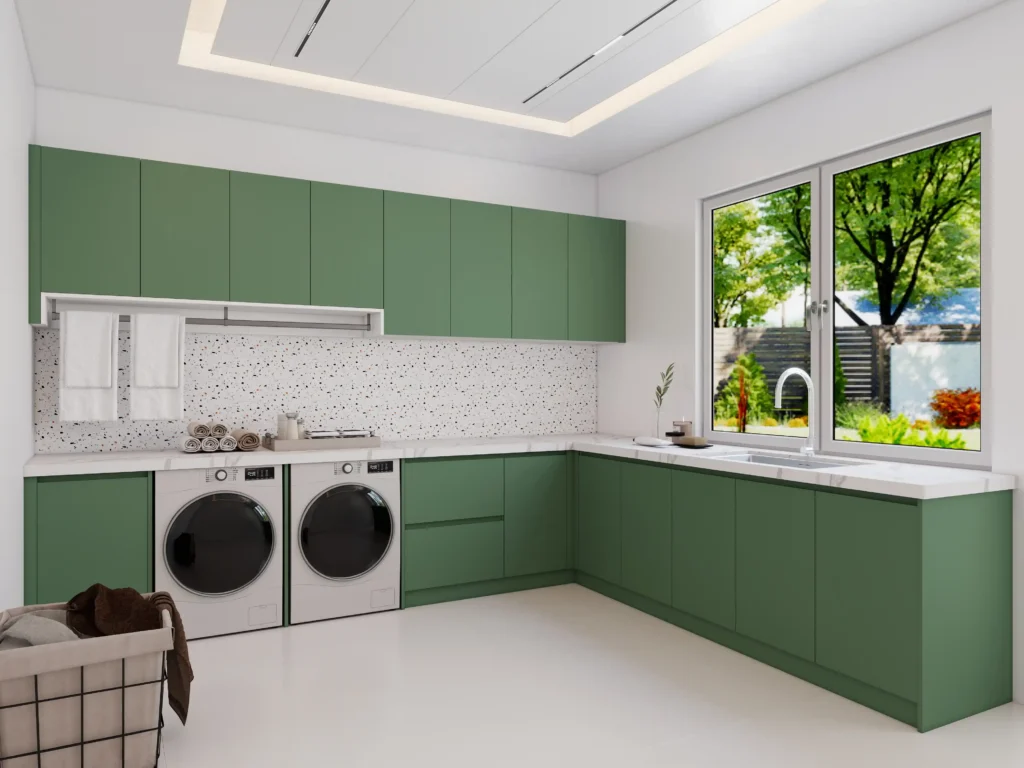
In modern kitchens, green cabinets are usually paired with flat-panel doors and matte finishes. The goal is simplicity. Sage green or deep green works well when combined with handle-less designs, integrated appliances, and clean countertops.
In these spaces, green often becomes the main visual feature, so the surrounding elements stay neutral and understated.
Scandinavian-Inspired Green Kitchens
Scandinavian kitchens favor light, natural tones. Soft green cabinets combined with pale wood, white walls, and plenty of daylight create a relaxed and welcoming atmosphere.
In this style, proportions matter. Green cabinets are often balanced with open shelving or light upper cabinets to avoid visual heaviness.

Modern Luxury and Green Kitchen Cabinets
In luxury kitchens, dark green cabinets are often paired with stone surfaces, metallic accents, and refined lighting. The focus is on texture and contrast rather than decoration.
Here, green adds depth and drama. The success of the design depends on careful coordination between cabinetry, lighting, and materials.

Classic and Transitional Green Kitchens
For classic or transitional kitchens, green cabinets often feature framed doors and softer tones like olive or muted sage. These kitchens feel timeless rather than trendy.
Details such as moldings, paneling, and traditional hardware help anchor the green color in a more formal aesthetic.

Choosing Green Cabinets Based on Kitchen Size and Layout
A beautiful green kitchen doesn’t start with color alone. It starts with understanding your space.
Small Kitchens: Keep It Light and Balanced
In small kitchens, lighter green cabinets work best. Using green only on lower cabinets while keeping upper cabinets white or open can help prevent the space from feeling closed in.
Reflective countertops, light backsplashes, and good lighting are essential when working with color in compact kitchens.

Medium Kitchens: Flexibility and Balance
Medium-sized kitchens offer more flexibility. You can choose a full green cabinet layout or mix green with neutral tones. L-shaped and U-shaped layouts benefit from consistent color use, which helps create visual flow.
This is where sage and olive green shine, offering character without overwhelming the space.

Large and Open Kitchens: Make a Statement
Large kitchens can handle bold green cabinet designs. Deep green islands, full-height cabinetry, or even floor-to-ceiling green storage can look stunning when balanced with light flooring and open sightlines.
In open-plan homes, it’s important that green cabinets connect visually with the surrounding living spaces through shared materials or colors.
Coordinating Green Cabinets with Countertops, Walls, and Hardware
Green kitchen cabinets never exist alone. Their success depends on how they interact with other elements.
Light countertops such as white quartz or marble create contrast and keep the kitchen bright. Dark countertops can look dramatic but require strong lighting and careful balance.
Wall colors should support the cabinets rather than compete with them. Neutral tones are usually the safest choice, while backsplashes can add subtle texture or pattern.
Hardware also plays a surprisingly important role. Black hardware feels modern and grounded, while brass or gold tones add warmth and elegance. The right choice depends on the shade of green and the overall design direction.
Matte vs. Glossy: Visual and Maintenance Difference
Matte Finishes
Matte green kitchen cabinets are known for their soft, understated look. They offer a natural, almost rustic appeal. Since matte finishes reduce light reflection, they help create a more even color display, especially with darker green tones. Plus, matte surfaces are excellent at hiding fingerprints and smudges, which makes them ideal for family kitchens.
However, while matte finishes are great for hiding minor blemishes, they can accumulate dust and grease over time, making your cabinets look dull if not maintained. Cleaning matte finishes requires a gentle approach—avoid abrasive cloths and harsh chemicals. A soft cloth and mild cleaner will do the job without damaging the surface.

Glossy Finishes
On the other hand, glossy green kitchen cabinets offer a sleek, modern look with a high-end feel. The reflective surface makes the color appear more vibrant, adding a sense of brightness and space to the room. Glossy finishes can enhance your kitchen’s visual appeal, making it feel fresh and contemporary.
But there’s a trade-off. Glossy surfaces show fingerprints, water spots, and oil marks much more easily than matte ones. In kitchens where cooking happens frequently, you’ll need to wipe down the cabinets regularly to maintain their shine. Glossy finishes are also more susceptible to scratches, so be careful when handling sharp objects or heavy pots near the cabinets.

Does Green Fade Over Time in High-Use Kitchens?
Kitchens are high-traffic areas, and green cabinets are no exception. Over time, how well your green cabinets hold up can depend on the type of finish and material used. The constant exposure to heat, moisture, and oils can cause the color to fade or develop visible wear, especially in the busiest areas of your kitchen.
Oil and Water Resistance: Glossy finishes tend to show oil stains and water marks more than matte finishes. However, matte surfaces are not immune to grime buildup, especially in the high-use zones near stovetops and sinks.
Scratch Resistance: High-use kitchens need materials that can handle daily wear and tear. Glossy finishes are more likely to show scratches, while matte finishes, though less reflective, can hide them better. But in a family kitchen or high-traffic area, both types of finishes may require frequent touch-ups to stay looking pristine.
When choosing green cabinets for your kitchen, consider the trade-offs between aesthetic appeal and practical durability. Opt for finishes and materials that are both easy to clean and long-lasting, especially if your kitchen is used frequently.
Is a Green Kitchen Right for You?
Before committing, consider how your kitchen is used daily. Think about lighting, maintenance, and how long you plan to keep the design. Green kitchen cabinets are not just a visual choice; they shape how the space feels over time.
If you value calm, warmth, and a design that feels connected to nature, green is a strong candidate. The key is selecting a shade and layout that support your lifestyle rather than just following inspiration images.
FAQs
What are the best shades of green for kitchen cabinets?
The best shades of green for kitchen cabinets ike sage green for a subtle, timeless look, or dark green for a bold, luxurious vibe. Lighter greens like mint are perfect for small kitchens, while olive green works well in earthy, Mediterranean-inspired spaces. Each shade will create a different mood, so select based on the atmosphere you want to create in your kitchen.
Are green kitchen cabinets in style for 2026?
Yes, green kitchen cabinets continue to be on trend in 2026. With their versatile appeal, green can work in modern, traditional, and rustic designs. Shades like sage, olive, and dark green are being used to create calming yet bold kitchen spaces. Their timeless nature and ability to match various design elements make them a lasting choice.
How do you make a small kitchen look bigger with green cabinets?
To make a small kitchen look larger with green cabinets, opt for lighter shades like sage or mint green. Pair the cabinets with reflective surfaces, such as white countertops or glass backsplashes, to enhance the sense of space. Additionally, using green on lower cabinets and keeping upper cabinets lighter or open helps reduce visual clutter and creates a more spacious feel.