A base cabinet is one of the most important components of a functional kitchen. It supports countertops, provides storage, and helps organize everyday cooking essentials. Whether you’re planning a new kitchen or renovating an existing space, understanding base cabinets can help you make better design decisions.
Base cabinets come in different sizes, materials, and configurations. Some feature drawers for cookware, while others accommodate sinks, appliances, or corner storage systems.
This guide explains what a base cabinet is, its common types, standard dimensions, materials, and key considerations before buying.
What Is a Base Cabinet?
A base cabinet is a floor-mounted cabinet typically installed beneath a kitchen countertop. It provides structural support for the countertop and offers accessible storage for cookware, utensils, and other kitchen essentials.
Most base cabinets consist of a cabinet box, doors or drawers, interior storage, and a recessed toe kick. Depending on the design, they may also include pull-out organizers, adjustable shelves, or integrated waste bins.
Unlike wall cabinets, which are mounted above the countertop, base cabinets form the lower section of a kitchen cabinet system.
What Are the Different Types of Base Cabinets?
Base cabinets are available in several configurations, each designed for specific storage and kitchen functions.
1. Standard Base Cabinet
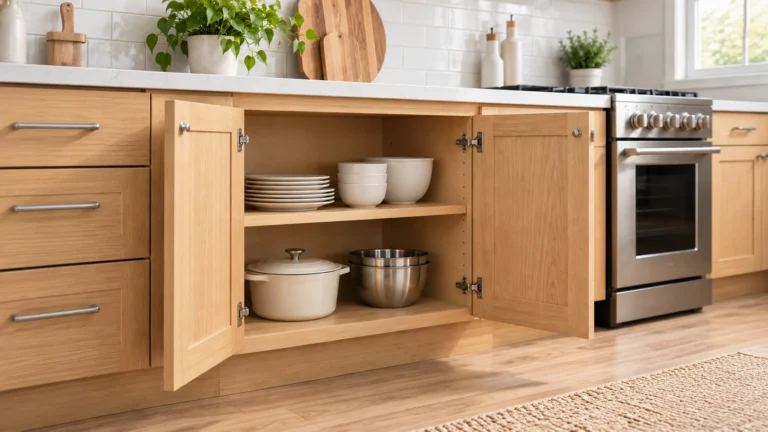
A standard base cabinet typically features one or two doors with interior shelves. Some designs include a shallow drawer above the cabinet doors.
These cabinets are commonly used to store cookware, small appliances, and everyday kitchen items.
2. Drawer Base Cabinet

Drawer base cabinets feature two or more stacked drawers. They provide convenient access to utensils, pots, pans, and cooking accessories.
Deep drawers are particularly useful for heavy cookware because users can access stored items without reaching into the back of a cabinet.
3. Sink Base Cabinet

A sink base cabinet is specifically designed to accommodate a kitchen sink and plumbing connections.
Unlike standard cabinets, sink bases typically have fewer internal shelves to leave space for pipes and drainage components.
They may also include specialized organizers for cleaning products.
4. Corner Base Cabinet

Corner base cabinets help utilize the corners of L-shaped and U-shaped kitchens.
Common configurations include blind corner cabinets and Lazy Susan cabinets. Pull-out storage systems can make difficult-to-reach areas more accessible.
5. Pull-Out Base Cabinet

Pull-out base cabinets feature sliding storage systems designed for narrow or specialized spaces.
They are commonly used for spices, cooking oils, bottles, or waste and recycling bins.
These cabinets can improve accessibility while making better use of limited kitchen space.
What Are the Standard Base Cabinet Dimensions?
Standard base cabinet dimensions vary by manufacturer and market. In the United States, many stock kitchen cabinet systems use the following measurements:
| Dimension | Common Standard Size |
|---|---|
| Cabinet Height | 34.5 inches (876 mm) |
| Height With Countertop | Approximately 36 inches (914 mm) |
| Cabinet Depth | 24 inches (610 mm) |
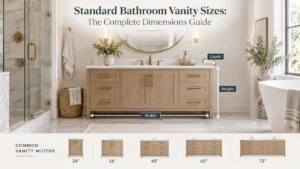
| Cabinet Width | Commonly 9–48 inches, depending on the product line |
| Toe Kick Height | Approximately 4–4.5 inches (102–114 mm) |
These dimensions are common industry conventions rather than universal requirements.
Custom base cabinets can be designed with different heights, depths, and widths to accommodate specific layouts, appliances, and accessibility needs.
Always verify dimensions with the cabinet manufacturer before ordering.
What Materials Are Used for Base Cabinets?

The choice of material affects a base cabinet’s structural strength, moisture resistance, cost, and long-term performance.
الخشب الرقائقي
الخشب الرقائقي consists of thin wood layers bonded together. It offers good structural performance and is commonly used in quality cabinet construction.
Its moisture resistance depends on the plywood grade, adhesive system, and surface protection.
Medium-Density Fiberboard (MDF)
MDF is an engineered wood product with a smooth, uniform surface.
It is often used for painted cabinet doors and decorative panels. However, standard MDF requires protection from excessive moisture.
Particleboard
Particleboard is manufactured from compressed wood particles and resin.
It is widely used in cabinet construction because of its affordability and consistent dimensions. Proper edge sealing and moisture protection are especially important.
خشب صلب
Solid wood is commonly used for cabinet doors, drawer fronts, and decorative components.
It provides natural grain and a distinctive appearance. However, it can expand or contract with changes in temperature and humidity.
When selecting materials, consider the cabinet’s location, expected usage, budget, and required performance.
Base Cabinets vs. Wall Cabinets vs. Tall Cabinets
Kitchen cabinet systems typically include three main cabinet categories.
| ميزة | Base Cabinet | Wall Cabinet | Tall Cabinet |
|---|---|---|---|
| التركيب | Floor-mounted | Wall-mounted | Floor-mounted |
| Main Function | Countertop support and storage | Upper storage | Pantry or appliance storage |
| Typical Location | Below countertops | Above countertops | Full-height kitchen areas |
| Common Features | Drawers, shelves, sink units | Shelves, doors | Tall shelves, pull-outs |
Base cabinets are essential for establishing the main kitchen workspace. Wall and tall cabinets complement them by providing additional storage.
How to Choose the Right Base Cabinet
Choosing the right base cabinet involves more than selecting a suitable size. Consider the following factors before purchasing.
1. Kitchen Layout: Measure the available space and confirm the positions of appliances, plumbing, and electrical connections.
2. Storage Requirements: Choose drawers, shelves, or pull-out organizers based on your cooking habits and household needs.
3. Cabinet Construction: Evaluate the cabinet box, joints, edge banding, and hardware specifications.
4. Material Quality: Select materials and finishes suitable for kitchen humidity, cleaning, and everyday use.
5. Hardware: Check drawer slides, hinges, load ratings, and soft-close mechanisms.
6. Customization: Consider custom base cabinets when standard dimensions cannot accommodate your kitchen layout.
For homeowners planning a fully customized kitchen, working with an experienced cabinet manufacturer can help coordinate dimensions, materials, storage systems, and finishes.
Are Custom Base Cabinets Worth It?
Custom base cabinets can be valuable for kitchens with unusual dimensions, specific storage needs, or integrated appliance requirements.
Unlike standard stock cabinets, custom designs offer greater flexibility in cabinet widths, depths, configurations, and finishes.
They can also help create a consistent appearance across kitchen islands, sink areas, and surrounding cabinetry.
However, customization may increase costs and production lead times. Buyers should compare detailed specifications and quotations before making a decision.
Frequently Asked Questions
1. What Is the Difference Between a Base Cabinet and a Sink Base Cabinet?
A standard base cabinet is designed for general storage and countertop support. A sink base cabinet provides space for a kitchen sink and plumbing connections.
2. How Deep Is a Standard Kitchen Base Cabinet?
A standard kitchen base cabinet is typically 24 inches deep in the United States. Custom depths are available for specialized layouts and storage requirements.
3. Can Base Cabinets Be Used in a Kitchen Island?
Yes. Base cabinets are commonly used to construct kitchen islands. They can accommodate drawers, shelves, appliances, or sink installations.
4. What Is the Best Material for Base Cabinets?
There is no single best material for every project. Plywood, MDF, and particleboard each offer different advantages. The right choice depends on construction quality, moisture exposure, budget, and intended use.
5. Can I Customize the Height of a Base Cabinet?
Yes. Custom base cabinets can accommodate different countertop heights and ergonomic requirements. However, appliance compatibility and installation clearances must be considered.
الأفكار النهائية
A well-designed base cabinet provides the foundation for an efficient and organized kitchen. Understanding cabinet types, dimensions, materials, and construction details can help you choose a solution that meets your needs.
Whether you prefer standard cabinets or customized configurations, prioritize practical storage, reliable hardware, and suitable materials.
Looking for custom kitchen cabinets? Explore Modern Home’s kitchen cabinet solutions to discover flexible designs, material options, and storage configurations for your next project.